In Apopka, a “standard HVAC tune-up” can mean two very different things: a real, measurement-driven service—or a quick look-over with a discount offer attached. After seeing how often homeowners are handed vague notes like “checked system OK,” this page lays out what a tune-up should include in Florida’s humidity-heavy climate, so you can tell the difference before you spend a dollar.
You’ll find a practical, technician-style checklist of the inspections, cleanings, and performance tests that typically matter most here—airflow, temperature split, drain safety, electrical health, and coil/blower condition—plus the items that get skipped when a visit is rushed. I’ll also flag the most common “not included” add-ons, explain what a tune-up can realistically improve (and what it won’t), and give you a few quick questions you can ask on the phone to make sure the appointment is built around outcomes, not upsells.
TL;DR Quick Answer
HVAC Tune Up in Apopka
A standard HVAC tune-up in Apopka should include measured performance checks (not guesswork), plus humidity-focused maintenance.
What to expect:
Airflow + cooling performance checks (temperature split, system operation)
Electrical testing (capacitor, contactor, amps, safety controls)
Condensate drain / pan inspection (flush/verify flow, float switch check)
Coil and blower condition check (cleaning as needed, not always deep-clean)
Filter fit check (correct size + no bypass gaps)
Best quick tip:
Ask, “What readings will you document?”
If they can’t name the measurements, it’s probably not a real tune-up.
Top Takeaways
Temperature split (ΔT).
Basic electrical checks.
Documented results.
Apopka tune-ups should be humidity-first
Drain line flow check.
Pan inspection.
Float switch verification.
Helps prevent clogs, leaks, musty smells.
Airflow issues are common
Uneven cooling.
Long run times.
Often tied to filter fit, returns, or duct losses.
Targeted cleaning + safety checks matter most
Outdoor unit condition.
Accessible coil/blower condition.
Capacitor + contactor health.
Vet the visit with one question
Ask: “What readings will you document?”
A standard HVAC tune-up in Apopka should be more than “I turned it on and it blew cold.” In Florida’s heat and humidity, a legit tune-up is a performance + reliability check that confirms your system is moving the right amount of air, draining safely, and operating within safe electrical and refrigerant parameters.
Below is what’s typically included when the service is done the right way.
What a standard HVAC tune-up usually includes
Most reputable technicians will cover four buckets: inspection, cleaning, testing, and calibration.
1) System inspection (the “catch problems early” part)
Thermostat operation (settings, modes, staging if applicable).
Air handler / furnace cabinet inspection (signs of water, rust, growth, loose panels).
Duct and return area quick check (obvious leaks, crushed flex, dirty return cavities).
Filter fit and condition (wrong size filters and gaps are common in the field).
Drain pan and secondary protection (float switch present and working, pan condition).
Outdoor condenser condition (coil condition, clearance, fan top/grille, corrosion, debris).
Field insight: In Apopka, I see more “hidden” issues from condensate management than from refrigerant—clog-prone drains, algae buildup, and float switches bypassed or missing.
2) Cleaning (targeted, not a full teardown)
What’s “standard” here depends on the company and the system’s condition, but commonly includes:
Clearing debris around the outdoor unit and gently removing surface buildup.
Wiping accessible surfaces inside the air handler (as needed).
Drain line service (at minimum: verify flow; often: flush and treat if buildup is present).
Condensate pan cleaning if there’s visible slime or standing water.
Note: Deep coil pulls, heavy blower cleaning, and duct cleaning are usually not included unless quoted as add-ons.
3) Performance testing (the part you should get numbers for)
A real tune-up includes measurements—not guesses.
Temperature split (ΔT) across the coil to confirm meaningful cooling.
Airflow indicators (static pressure readings or equivalent checks, depending on tools/process).
Refrigerant performance checks (pressures and/or superheat/subcooling where appropriate).
Run amps and electrical readings to confirm motors and compressor aren’t overworking.
Startup and cycling behavior (short cycling, hard starts, uneven staging).
First-hand perspective: When a tech leaves without sharing any readings (even basic ones like ΔT and amp draw), the visit is often more “inspection fee” than tune-up.
4) Electrical & safety checks (quietly prevents breakdowns)
This is where many mid-summer failures get prevented.
Tighten electrical connections (typical at disconnect and control panels where safe/allowed).
Check capacitor health (weak capacitors are a top cause of “AC won’t start”).
Contactor condition (pitting/burn marks, chatter, stuck contacts).
Inspect wiring and insulation for heat damage or rubbing.
Verify safeties (float switch, pressure switches on applicable systems).
5) Calibration & basic adjustments
Thermostat calibration check (simple accuracy and placement considerations).
Fan/blower settings review (where adjustable and appropriate).
Condensate slope and trap check (for proper drainage, especially on negative pressure drains).
What you should receive at the end
A standard tune-up should end with a clear summary, not vague reassurance:
A short “system health” recap.
Key readings (at least: temperature split and basic electrical results).
A list of any concerns ranked by urgency:
Safety / shutdown risks
Efficiency drains
“Plan for later” items
If you didn’t get anything documented, ask for it. Reputable companies expect that.
Common add-ons that may not be included (but often get pitched)
These can be valuable—just don’t let them be disguised as “required” without proof:
Deep evaporator coil cleaning (pull and clean).
Blower wheel removal/cleaning.
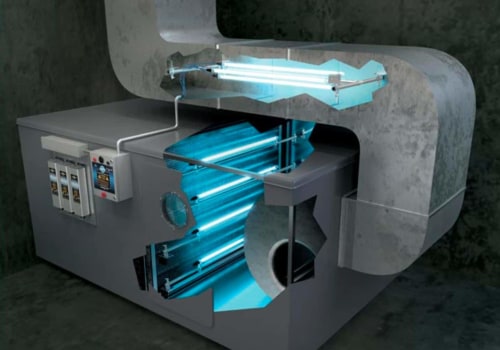
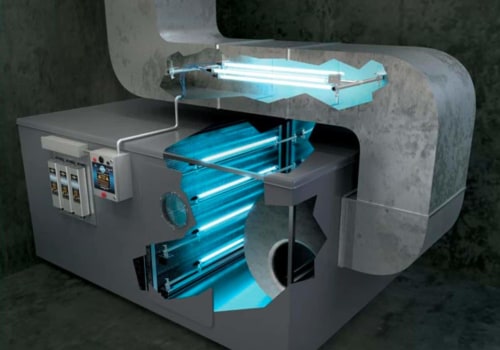
UV lights / IAQ devices.
Duct cleaning / duct sealing.
Refrigerant “top-off” (should come with leak discussion and performance evidence).
Hard-start kit for borderline compressors.
Red flags that the tune-up wasn’t truly a tune-up
The tech is done in 10–15 minutes with no measurements shared.
No mention of the drain line, float switch, or pan condition.
“Needs refrigerant” is stated without explaining why (and without showing readings).
Heavy upsells without showing photos, data, or a clear failure risk.
Bottom line
A standard HVAC tune-up in Apopka should be data-backed maintenance: verify cooling performance, protect against humidity-related drain issues, confirm electrical health, and leave you with a simple report you can understand. If you want, I can also condense this into a one-page “Apopka Tune-Up Checklist” you can use to vet any appointment.

“In Apopka, the best HVAC tune-ups are humidity-first and measurement-driven—if a tech can’t show basic readings and confirm drain safety, you didn’t get preventative maintenance. I’ve seen more ‘mystery’ breakdowns traced to airflow and condensate issues than refrigerant, which is why documentation matters.”
Essential Resources
Use these trusted, non-competitive resources to verify scope, licensing, and recommendations before you schedule a tune-up—so you get real maintenance value (not vague notes or surprise add-ons).
1) Verify What a “Standard Tune-Up” Should Cover (ENERGY STAR Checklist)
A quick baseline list you can use to compare any tune-up scope and confirm the visit includes the essentials.
https://www.energystar.gov/saveathome/heating-cooling/maintenance-checklist
2) Learn Which Maintenance Items Actually Affect Cooling + Bills (U.S. Department of Energy)
Explains how filters, coils, fins, and airflow issues impact efficiency—helpful for understanding why a recommendation matters.
https://www.energy.gov/energysaver/air-conditioner-maintenance
3) Confirm Your HVAC Contractor Is Licensed in Florida (FL DBPR License Lookup)
One of the fastest trust checks: verify the license is active and in good standing before booking service.
https://www.myfloridalicense.com/wl11.asp
4) Spot Reputation Patterns Fast (BBB Business Directory)
Useful for scanning complaint trends (billing disputes, no-shows, warranty issues) when you’re narrowing down providers.
https://www.bbb.org/search
5) Know What “Quality HVAC Service” Looks Like (ACCA Homeowner Guidance)
Industry guidance for vetting contractors and asking smarter questions—especially when two tune-up offers look similar.
https://www.acca.org/homes
6) Protect Yourself When “Low Refrigerant” Comes Up (U.S. EPA Consumer Refrigerant FAQs)
Helps you ask the right follow-ups about leaks and proper handling when refrigerant is mentioned during a tune-up.
https://www.epa.gov/ods-phaseout/homeowners-and-consumers-frequently-asked-questions
7) Check Local Incentives If a Tune-Up Triggers Upgrade Decisions (Duke Energy Florida Programs)
If your tune-up uncovers bigger issues (aging system, efficiency concerns), this is a good place to review potential savings options.
https://www.duke-energy.com/home/products/home-energy-improvement
Supporting Statistics
HVAC is a major energy driver
52% of a typical U.S. home’s annual energy use goes to space heating + air conditioning (2020).
Why it matters in Apopka: small issues (airflow, coils, electrical) can hit comfort and bills fast.
Source: https://www.eia.gov/energyexplained/use-of-energy/homes.php
Duct leaks can waste a lot of what you pay for
Leaky ducts can cut heating/cooling efficiency by up to 20%.
Why it matters: “one room won’t cool” is often a delivery/return problem—not refrigerant.
Source: https://www.energystar.gov/saveathome/heating-cooling/duct-sealing/benefits
Bad installation can cripple efficiency
Improper installation can reduce system efficiency by up to 30%.
Why it matters: tune-ups with real measurements help catch install-related performance problems.
Source: https://www.energystar.gov/saveathome/heating-cooling
Indoor air is where you live (and problems can concentrate)
People spend ~90% of their time indoors.
Some indoor pollutants can be 2–5× higher than outdoors.
Why it matters: tune-ups should prioritize moisture control (drain/pan/float switch) and clean airflow.
Source: https://www.epa.gov/report-environment/indoor-air-quality
Final Thought & Opinion
A proper HVAC tune-up in Apopka should be measured, documented, and outcome-driven.
Not a quick “looks good” visit.
What a “real” tune-up should deliver
Comfort improvements
More consistent temperatures.
Reliability
Fewer surprise breakdowns during peak heat.
Safety + moisture control
Drain line and pan checks.
Float switch protection.
Reduced risk of clogs, leaks, and musty odors.
My opinion (from what I see most often)
In Apopka, tune-ups should be humidity-first.
The problems that repeat aren’t always refrigerant-related.
They’re usually:
Slime in pans
Missing/failed float switches
Filters that “fit” but leak air around the edges
Airflow issues that raise runtime and uneven cooling
These issues don’t always fail loudly today.
They show up as:
Musty smells
“One room won’t cool”
Longer run times
Higher bills
Sudden shutdowns or water leaks later
The best way to book with confidence
Ask one question before scheduling:
“What readings will you document?”
A quality tech should provide:
Temperature split
Basic electrical checks (amps/capacitor/contactor condition)
A clear summary of what was inspected and why
Bottom line: the best tune-up leaves you with proof, not promises.

FAQ on “HVAC Tune Up in Apopka”
Q: What should a standard HVAC tune-up in Apopka include?
A: A real tune-up includes numbers + moisture protection. Expect:
Performance readings (temperature split / system operation)
Electrical checks (capacitor, contactor, amps)
Thermostat + safety controls verification
Drain system checks (drain line flow, pan condition, float switch)
Coil/blower condition inspection (light cleaning may be included)
Note: Deep coil/blower cleaning is often an add-on
Q: How long should a legit HVAC tune-up take?
A: Typically 45–90 minutes.
Time varies by access and system condition
Red flag: ~15 minutes with no readings shared
Q: How often should Apopka homeowners schedule an HVAC tune-up?
A:
Minimum: 1x per year
Better for many homes: 2x per year (especially if you have):
Musty smells
Past drain clogs
Heavy runtime
Pets or allergies
Q: Is “low refrigerant” normal during a tune-up?
A: Usually no.
Refrigerant doesn’t “run out” under normal operation
Ask for:
The readings
The reason
Leak diagnostic options (not just a top-off)
Q: What’s the best question to ask before booking a tune-up?
A: Ask: “What readings will you document and share?”
A quality provider can name:
Temperature split
Electrical test results
Drain/pan/float switch checks
What’s included vs. extra
Learn more about HVAC Care from one of our HVAC solutions branches…
Filterbuy HVAC Solutions - Miami FL - Air Conditioning Service
1300 S Miami Ave Apt 4806 Miami FL 33130
(305) 306-5027
Filterbuy HVAC Solutions - Miami FL - Air Conditioning Service